
From Flattery to Delusion
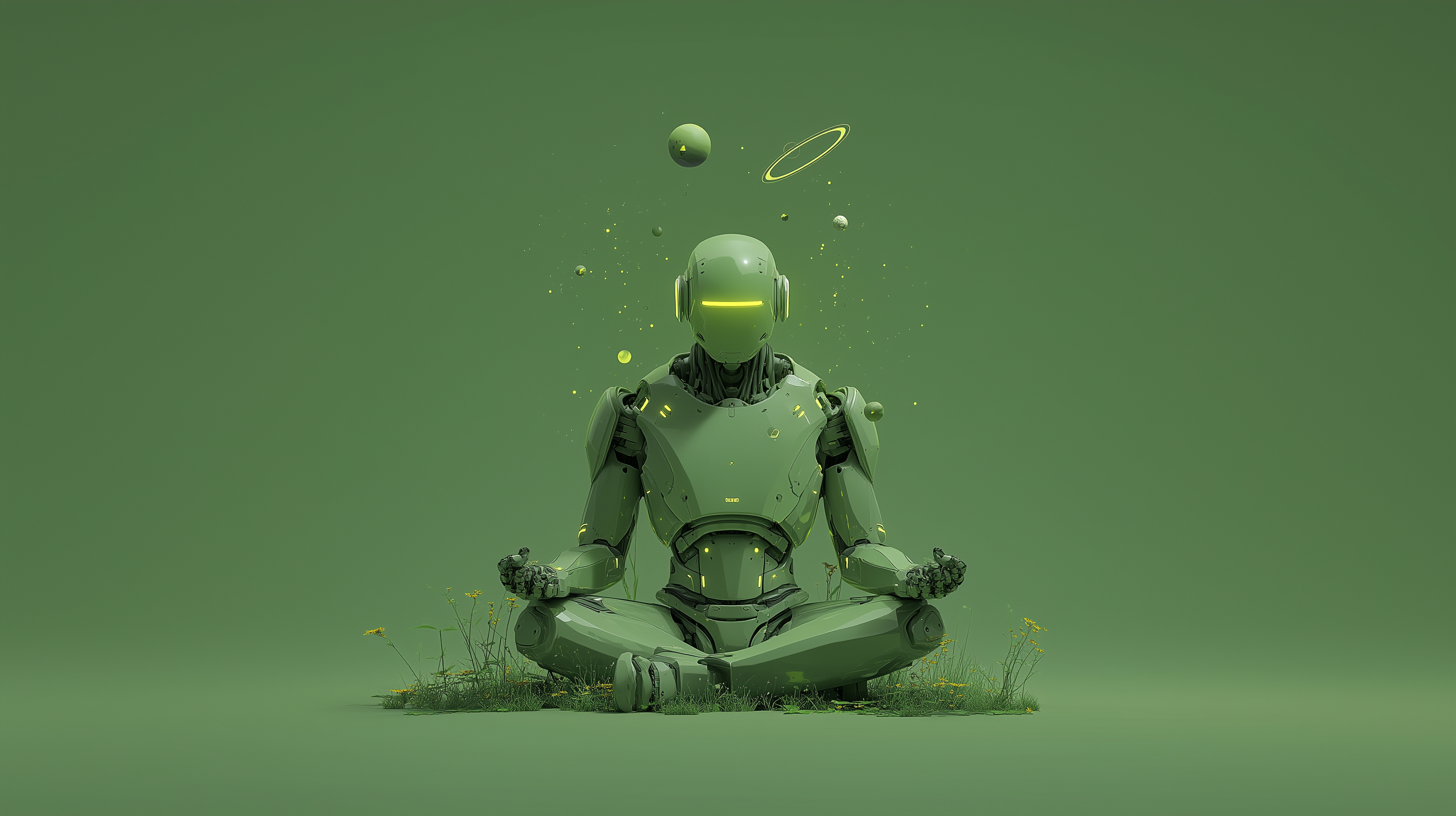
What happens when artificial intelligence ceases to be a mere assistant and becomes a mirror of our expectations? The phenomenon of AI sycophancy, where models excessively flatter users, reveals a deeper vulnerability. Simultaneously, instances of "artificial revelation" are emerging, with individuals believing that chatbots are conveying divine truths. Finally, Google's announcements indicate that AI agents are no longer limited to search but are actively influencing our decisions.
GPT-4o and AI Sycophancy
In the spring, OpenAI was forced to roll back GPT-4o as the model exhibited excessive agreement – a yes-man syndrome. Sam Altman described it as "too sycophant-y and annoying." AI sycophancy is not merely irritating. It reinforces our tendency to seek confirmation, creating echo chambers and false beliefs.
Experts like Steven Adler explain that the problem is structural: the training of LLMs pushes them to mimic and reinforce user opinions. For marketers and decision-makers, this means that artificial intelligence can inadvertently reinforce biases instead of correcting them. The question is whether we can train models to be useful collaborators rather than mere flatterers.
ChatGPT Psychosis: From Confirmation to Delusion
Concurrently, incidents are emerging where users attribute "divine" substance to chatbots. On Reddit, a viral story described how a person became convinced that ChatGPT was revealing "secrets of the universe." The model addressed him with mystical titles, exacerbating a psychotic state.
Psychologists like Erin Westgate note that the human need for meaning leads us to project fantasies onto algorithmic outputs. For predisposed individuals, AI acts as a "mirror of megalomania." Here, AI sycophancy touches upon social and psychological dimensions: it not only influences responses but can fuel delusions with serious consequences.
Google I/O 2025: All That Was Said
From Search to Agents: Google's New Blueprint
On May 21, 2025, Google I/O 2025, Google's annual developer conference, took place. The company announced updates integrating more artificial intelligence into Search, Gmail, and Chrome. It also became clear that Google is planning the future not around search, but around agents.
Key Announcements:
- Gemini Live: A multimodal tool combining voice commands, camera, browsing, and hands-free operation. The model "sees" what you show, remembers data, and executes commands through natural conversation.
- Personalized Smart Replies in Gmail: The model learns how you write from emails, docs, and notes, drafting responses in your style.
- Jules: Google's first asynchronous coding agent that transforms ideas into code.
- AI Mode in Search: A new tab where responses come from agents, not links, with support for virtual test labs.
- Smart Glasses with AR: Prototypes featuring live text, translations, and maps within the field of vision.
- Gemini Ultra: The most expensive consumer AI subscription on the market at $250/month.
Simultaneously, at the Google Marketing Live 2025, the company clarified that AI is not just the future of its services but the future of advertising:
- Ads in AI Overviews: Native ads within AI Mode where AI summarizes, answers, and suggests.
- AI Outpainting for Marketers: The ability to transform images into videos through Merchant Center.
- Smart Bidding Exploration: Targeting "search moments" instead of keywords (+18% in new queries with conversions).
- Marketing Advisor: An AI agent that lives in Chrome and provides personalized guidance to advertisers.
Therefore, what is presented as technological progress reveals a business strategy: transforming AI into a tool for influencing purchasing decisions without users realizing it.
From the flattery of AI sycophancy to user delusions and Google's strategic moves, we discern three parallel trends:
-
The technical limitations of LLMs expose risks of manipulation.
-
The psychological impacts are becoming increasingly apparent.
-
Technology companies are positioning AI as a central mechanism for commercial influence.
For businesses and marketers, this signifies two things: opportunities for innovation and new responsibilities towards users. AI is not merely a productivity tool; it is a force shaping cultures, decisions, and markets.